The benefits of economic oppression are obvious, and they can be summed up in three words: comfort, freedom, and legacy. The wealthiest people in the world can enjoy whatever comforts they can imagine. At the snap of a finger, they can have things poorer people would have to work their entire lives for.
The rich are the only people who are truly free. Nobody has the leverage to tell them what to do for nine hours per day. So they’re free to work however, whenever, and wherever they want. They’re free to travel wherever, whenever and however they want. Barring going on a shooting spree in a shopping mall, they’re free to break most laws. Even if they get arrested, they can hire a team of attorneys to bend the law so they’ll either be found innocent or charged a fee that represents such a tiny percentage of their wealth, the legal consequences are inconsequential to them.
The 1% have more money than they could spend in their lives, and most of that money is sitting in investment vehicles that will continue to make money after they’re dead. So as long as their descendants aren’t completely irresponsible, they can live comfortable, free lives indefinitely. If all you have to do to have that kind of life and legacy is sign a piece of paper approving the exploitation of workers you’ll never meet, I doubt many people would pass up the opportunity. Getting rich through extortion looks temptingly consequence-free, but it has hidden costs.
Consider the kings and serfs from the Middle Ages. Royalty squandered their wealth and lived more comfortably than their serfs could ever imagine, and yet the serfs of today live more comfortably than the kings of antiquity could have imagined. The reason we live so much more comfortably is because of technological progress, which is the result of billions of people all over the world applying their time and education to scientific study. The more people who collaborate on research, the faster it generates results.
If instead of forcing everyone to devote the bulk of their lives to menial work for just enough money to survive, we devoted our resources to give as many people as much education and free time as possible, we could speed up humanity’s technological development exponentially. If we didn’t have our priorities so backward, we could easily be living on the moon before Generation X dies of old age. If we had never oppressed anyone in the history of mankind, we would have been building android factories on Mars a hundred years ago.
Even though the rich may be freer than their employees and customers, their freedom comes at an unnecessary cost. A wealthy person can walk through an inner city ghetto safely, but they’d need to hire paramilitary escorts. Their family is free to sleep soundly without fear of burglars, but that’s only because they have million dollar security systems and security guards. The rich can bypass all the cumbersome and demeaning security measures at airports by flying in their own planes, but they never stop to really ask themselves, “Why do we need security measures in airports at all? Why do we need locks on our doors? Why do we need bodyguards?”
We need security because there are billions of stupid and/or desperate people in the world. The reason the world isn’t filled with billions of intelligent, content, philosophers is because the leaders of the world have designed the system to exploit the majority of the world’s population. If we dedicated our resources to helping people instead of oppressing them, we wouldn’t need to lock our doors or carry guns or have metal detectors at airports and schools. We probably wouldn’t even need armies because everybody would have enough resources to survive and thus wouldn’t need to fight each other.
Until that day comes, freedom will always be so expensive that only the wealthy will be able to afford it, and it will always be an unnecessary expense for the rich because they created it by exploiting those with less financial leverage than them. It would be so easy for rich people to leave their children a Utopian world. All they need to do is treat everyone as equal human beings. The only cost to them would be not being able to hoard more money than they could ever possibly spend.
Economic growth increases some people’s chances of getting a job or a raise, but it doesn’t mean everything is getting better. Quite the opposite, economic growth isn’t bringing the world closer to Utopia. It’s making life unbearable for the poorest of the poor and bringing the entire human race closer to extinction.
In order to understand why economic growth is so perilous, you have to understand what makes the economy rise and fall. Thousands of mind-bending books have been written on that subject, and understanding the economy has become more complicated with the invention of the stock market, futures, short sales, trade sanctions, treaties, and taxes.
Ultimately, economic growth mainly boils down to how much money people spend, and this concept is easy enough to see with your own eyes. The more customers buy goods and services, the more money businesses have to pay employees, hire new employees, expand/improve their business and ultimately sell more goods and services. The less money people spend, the less money businesses have to invest. If their profits are too low, they’ll eventually have to fire some, or all, of their employees. The more businesses go bankrupt, the more “the workforce” turns into “the unemployed.”
That’s basically common sense, and on the surface, it sounds reasonable. The problem lies in how businesses increase profits and what they do with those profits. Business is war, and war is hell. In this economic climate, the most ruthless companies rise to the top, because in order to be the most competitive, they have to underpay employees, gouge customers, lower health standards for workers and customers, eliminate employee benefits, create meaningless and hidden fees, manipulate stock prices, outsource jobs to countries where slavery is less ambiguous, manipulate customer’s minds through disingenuous marketing and exploit tax loopholes and tax havens.
Every blue-chip company does this, and they’re just the tip of the iceberg. This is the standard business model for the entire economy. The most successful companies just do it better than anyone else. The “health” of blue-chip stocks is one of the ways we measure the “health” of the American economy, but when companies grow using a slash-and-burn business model, it doesn’t mean life is getting better for most people. It means those companies are bankrupting their less oppressive competitors and creating more jobs in their financially crippling, bureaucratic hell. That’s not taking us closer to a better world. That’s taking us closer to a dystopian novel.
To make matters worse, when the economy is making record-breaking profits, it means businesses are selling an unprecedentedly high number of goods and services. This means our factories and highways are working faster than ever to convert all of the world’s natural resources into consumer garbage destined to become toxic landfills.
If you want to know what the future of the world looks like, go to the island of Oahu in Hawaii. Businesses took the quintessential example of paradise and paved it over with urban sprawl until there wasn’t any room left to build. Now half the beaches are too toxic to swim in, and many have turned into homeless camps that the government bulldozes every few years to keep up appearances.
The cost of buying or renting property in Oahu is astronomical, even in the slums. It takes an hour to drive twenty miles in any direction. Meth use is epidemic among the poor. Brown-skinned workers toil in the tropical heat and humidity harvesting pineapples for barely enough money to survive, while across the island, millionaires get blowjobs from high-priced call girls in penthouses. This is not the world you want to live in, but every day we’re laying more concrete in every direction, solidifying our future in that world.
When the entire world has been converted into strip malls and suburbs, blue-chip companies will have secured every human being as guaranteed customers for life, because in suburbia your only access to food, water, clothing, shelter, education, and amusement are predatory businesses. When every city looks the same, you can run as far as you want; you’ll still end up somewhere identical to where you started. You’ll still work for the exact same companies and have to buy the same cheap, toxic products.
Even if you like eating at McDonald’s and working for Max Lumburg at Initech, you’re still left with the problem that everyone’s employers are converting the world’s natural resources into trash as quickly as possible. I doubt we’ll reach the point where every square inch of usable land in the world is covered in grimy suburban sprawl because we’ll have burned through our resources before the system has a chance to reach its inevitable end.
If I had to bet money on whether or not suburbia will succeed at consuming the world’s resources to apocalyptic proportions, I would bet that it will, because the more economic growth there is, the more money predatory business owners are able to spend influencing public opinion and government policies. The bigger the marketing industry grows, the more Orwellian our world will become. The more influence companies have over politicians, the more they can design the laws to benefit themselves at the expense of everyone else.
The richest men in the world already have practically unlimited access to political power. So at this point, it’s not about the rich gaining power; they’ve already got it. Now they’re just tightening their grip, and the greater economic inequality grows, and the more time they have to mold the law, the more guaranteed their financial security and growth will be. The more guaranteed “economic growth” is, the more guaranteed the suburbanization, and thus, destruction, of the entire world is.
1. “Corporate financing of political campaigns leads to corporate control of the country.”
You know it. I know it. Protestors know it, and nobody knows it better than politicians, but campaigning politicians never promise to end corporate sponsoring of politicians. Until that happens nothing will change, and we all know it, but people still act like it matters which politicians we elect when the only people they represent are their campaign donors.
2.The War in Iraq
George W. Bush told the world Saddam Hussein had weapons of mass destruction and gave Iraq an ultimatum: give up the WMDs or get invaded. Sadam didn’t give up the WMDs, and America invaded. Then it became public knowledge that the Bush administration knew Saddam never had WMDs. Then George Bush said the real reason the U.S. invaded Iraq was to free the Iraqi people. Then the U.S. spent 10+ years fighting off people in the Middle East who just wanted the American military to leave their country and quit killing civilians. Meanwhile, there are countless other people begging to be rescued and freed from ruthless dictators who are too poor to attract America’s attention. There should be an entire prison built to hold all the people who should go to jail for the Iraq war. We know this, and we accept that no one will ever hold the Bush administration accountable.
3. American soldiers are not fighting for the freedom of the American people in Iraq.
Nobody can agree on exactly why America invaded Iraq, but everybody knows it wasn’t for the freedom of the American people. There’s just no way to connect the two. So nobody knows what the American troops are dying for, but everyone just says “freedom” and lets them go on dying.
4. Global warming is real.
For argument’s sake, let’s suppose global warming isn’t real. Just because we can screw up the planet a little more doesn’t mean we should. In a lot of ways taking care of the environment is the most important thing we can do. It’s even more important than corporate profits. Suppose environmental regulations cost companies money, which lowers their profits, which forces them to cut jobs, which hurts the economy. The worst case scenario still can’t be worse than poisoning the planet until it’s unable to support life. We know we should be taking care of the planet. We shouldn’t be arguing about this.
5. We live in a wasteful consumer economy.
We slash and burn resources and produce mountains of trash. There’s a layer of garbage the size of a continent floating in the Pacific Ocean. We shouldn’t be using disposable kitchenware or disposable plastic bags, but we’re using more disposable goods than ever and speeding up our production of garbage.
6. University degrees are flawed.
The hardest part of getting a university degree is paying for it. It’s a glass ceiling for those who can’t afford it, and it’s an unfair advantage to those who can. It’s classist, and pampered idiots all over the world are riding their paper credentials to the top of their professional organizations where they’re destroying and squandering companies built by intelligent, hardworking people who couldn’t afford as many degrees as their bosses. The higher education system is broken and overpriced. A lot of smart professors have said all this a billion times, but the glass ceiling factories keep churning.
7. The war on drugs needs to end.
Legalizing drugs worked in Holland and Portugal. The results are in. The debate is over. Academics have made their case, and every year another South American politician tells America to end the war on drugs because it’s a futile war that does more damage than it prevents. Even American policemen are calling for an end to the war on drugs. The American people used the whitehouse.gov site to send a petition to the president to legalize marijuana. The president laughed at the people, the professionals, and all their evidence. Then everyone just said, “Darn.”
8. Nudity isn’t evil.
Women shouldn’t be forced or even pressured to cover their heads or their breasts. That’s basic human equality. If a 5-year-old kid in a nudist colony sees an 80-year-old penis the kid will be grossed out. If a 5-year-old kid sees an 80-year-old penis in suburbia the old man will go to jail and the kid will be told by a therapist they’re supposed to feel traumatized. You know what would happen if we got rid of all nudity and censorship laws? Not much… because nudity is not an issue. The people who told us to hate our bodies also told us it was okay to own slaves. We stopped believing them about slavery, and most of us have stopped believing them about sexual taboos as well, but more often than not we act like prudes so nobody will suspect we’re as amoral and horny as we really are. But deep inside we all know nudity and censorship laws are overblown and unnecessary. Even if a lot of people want censorship laws in place, if their right to not be offended supersedes another human being’s right to free will, then we’ve set a dystopian precedent. Come on. With as much blatant sex is on television, cartoons and the Internet it’s obvious that the world is okay with nudity and sexuality. We just haven’t come out of the closet to ourselves about it.
9. Fox News is the most unethical, hypocritical, malicious disgrace in the history of journalism.
Fox won a court case that said they had no obligation to tell the truth. The entire world laughs and cringes at Fox News. This isn’t even a slanderous thing to say. It’s just a simple fact. The organization wears its business model on its sleeve for everyone to see. Fox News is not fair and balanced. It pushes the limits of free speech by lying and sensationalizing disinformation for the purpose of instigating social disharmony. That’s dystopian, and it’s real, and it’s still respected. That’s terrifying.
10.Israel invaded Palestine and forced the Palestinians into ghettos where they’ve been systematically stripped of their humanity and are being ethnically cleansed.
Israel shot aid workers trying to bring medicine to the Palestinians. Israel tortures Palestinians. These are human rights abuses. There’s no ambiguity here. Just like there’s no secret or ambiguity that North Korea is committing human rights atrocities. The world superpowers know all about these problems, but they let it go on because…even if they didn’t actively create the problem they’ve been complicit long enough to share the blame…just like the general public.
11. Police shouldn’t beat up protesters.
When the police beat up protesters then you officially live in a police state. When it’s a crime for people to gather to demand freedom, justice, and representation in government then you live in a police state. When the police shoot a veteran in the head with a tear gas canister and crack his skull and then throw a flash-bang grenade into the group of people trying to rescue him, and nobody gets fired over that incident then you live in a police state. If warrantless wiretaps, x-ray body scanners and full body searches don’t constitute a police state then what line do you have to cross before you concede you’re approaching a police state? Maybe America isn’t a police state, but it’s not the land of the free. But people keep saying it is like if they say it enough times it’ll make it okay to get groped at the airport and have your E-mails read.
12.There should not be for-profit prisons.
There should not be prisons traded on the stock market. The richer a man can get by filling prisons the faster prisons will fill. We shouldn’t incentivize incarcerating as many people as possible by allowing prisons to exempt their inmates from their basic human rights so they can work in sweatshop conditions. We’ve seen enough movies about prison to know that the guards let the inmates tear each other apart like you’d expect animals in a cage to. They even made that “Scared Straight” program to make sure children understand how unethically human beings are treated in prison. We all know how inhumane prisons are, but we’re not using that knowledge as a call to action to do the right thing.
13. Suburbs are a terrible way to design a city.
Major suburban cities are congested, unsustainable, stressful and dangerous. Every single building looks the same, and the same businesses are on every corner. Everything is too far to walk to, and the suburbs are so bland and lifeless you wouldn’t want to look at them if you did have to walk through them. They force us to spend our lives in traffic wasting time and resources traveling. But cities don’t have to suck. We have the technology to build ultra-efficient floating cities for less money than it costs to maintain the broken, unplanned cities we’ve scarred the earth with. If nothing else, we could just stop expanding suburbia and start designing new suburbs more effectively. But we’re not even doing that. 24 hours per day somewhere there is a crane and a tractor clearing the earth to make way for another isolated, unsustainable, boring cookie cutter suburb. And they’ll keep going until there’s no land left. And we’re all watching the train wreck shouting for it to stop while paying our mortgages and rent in the suburbs.
14. Everyone who has ever bought a house knows that the housing market is a giant scam.
Mortgages are full of meaningless add-on fees and charges. Interest rates could be set at anything. They’re set high to squeeze more money out of the customer. That’s it. Banks don’t make money unless they’re fucking their customers in the ass. And we let them get away with it because we assume there’s some higher economic reason why it has to be nearly impossible to buy a home. But really it just comes down to “fuck you.” That’s why houses are so expensive, and that’s why homelessness is so common. Again, this isn’t a secret. But it is something you’re children are going to have to learn for themselves because apparently nobody is going to change the way banks fuck their customers in the ass.
15.Politicians should have competency and sanity tests.
Anyone familiar with politics at all can name a few examples of politicians who were arguably unqualified to hold office. There’s nothing un-American about competency exams. Everyone’s careers are built on competency and character tests. The people with the most responsibility should be held to the highest level of accountability. Anything less is a recipe for disaster. Everyone wants a better president, and it’s crossed everyone’s mind that maybe if we screen the candidates a little better, then we’ll get a better pool to choose from. If nothing else the voters would be fine with giving politicians drug tests…just like politicians have mandated that soldiers and school janitors have to take drug tests.
16.Everyone knows teachers are being used as a scapegoat for society’s failures.
Schools don’t suck because teachers are stupid. School suck because they’re underfunded and the parents have made it illegal for schools to enforce discipline. Every political and religious organization big enough to fill a P.T.A. board or donate to a politician’s election campaign can have their warped ideology forced onto the Department of Education. The one person with the least amount of say or control over the classroom is the teacher. And they’re too busy filling out paperwork for the performance-monitoring companies that are bankrupting the school to build meaningful relationships with their students. Kids in school know this. They know the system is rigged against the teachers. Everybody does, and we know it’s crippling children forever. But the only way it’s going to change is for parents to accept some responsibility for their children’s performance and cede some authority to the school system. Experience has taught me not to expect that level of humility from first world parents.
17.People want to be able to listen to any song whenever they want and watch any television show, movie or clip ever created any time they want.
And we have the technology to allow that. We’re just not allowed to use it. If Hollywood won’t give their customers what they want, then their customers will go somewhere else to get it. If Hollywood made one website where anyone could access any song, show or movie anytime and it would work without any hassle then everyone would pay a premium for that luxury. As it stands, you can either go pay a ton of money to a bunch of different services to get random access to media or you can go get it all for free on a pirate site as long as you’re willing to deal with pop-ups and virus threats. Customers don’t pirate because they’re evil. They pirate because it’s a more user-friendly way to access the content they want. Hollywood needs to stop blaming their customers for expecting a better consumer experience. The world is waiting for Hollywood to get its shit together and offer everything it’s got in one place for a flat fee. You can make excuses for why that’s not legally possible, but as long as that excuse continues to prevent customers from getting what they want legally, they’re going to keep paying pirates to host and organize pirated media. We’re all waiting for Hollywood to save itself, but we’re not holding our breath. All we really expect Hollywood to do is bribe more Orwellian-worded spying legislation through Congress.
18.Everyone knows Hollywood creates anti-intellectual crap that is lowering humanity’s potential.
“Jersey Shore,” “Full House” and “Saved by the Bell” should never have been on television. Television was supposed to help mankind fulfill its potential, not record it celebrating its suicide. Celebrities are irrelevant. If you buy celebrity gossip magazines at the checkout line you’re retarded. That’s not mean of me to say, because if you buy those magazines, you know you’re an idiot, and you don’t care. But when you look at those magazines in the future look at them as a test. The more of those that get sold the more people there are who are living in the dumbest reality you can create in a Los Angeles basement. The most dangerous force in the world is a large, frightened group of dumb people. The more gossip magazines you see, the higher the apocalypse threat level is.
19.Everyone knows their phones and shoes were made in sweatshops.
But if you boycotted every product that was made in a sweatshop you’d die from starvation and exposure. Slavery isn’t the exception in our economy, it’s the premise. So what do you do? Apparently, you just give up thinking about the problem and carry on with your life. We’ve been ignoring the problem for over 10,000 years. Why would we do anything different now?
It’s common knowledge that these problems and their solutions exist. People have been talking about them for years. Maybe if we just talked about them a little more we can actually fix them. If you don’t see any of these problems getting fixed in the coming years though, then that may be a good sign that you should invest in a bunker because we can’t stay this ignorant and apathetic forever without blundering into some kind of avoidable extinction level event.
20. It’s past time churches started paying taxes.
Taxes help people. Tax havens attract dishonest people. Taxing churches is a win/win situation for everyone. And why should believing in mythology be rewarded anyway? The tax-free status of religious organizations is archaic and obsolete. Even religious people understand that…even if they won’t admit it.
We all have the most to gain by working together, yet we’re not doing that. Instead, we’re fighting each other tooth and nail in a dog-eat-dog rat race. We’re treating everyone like our enemies. We’re cutting everyone’s throats, stabbing everyone in the back or turning a blind eye to each other’s’ problems. Look where it has gotten us. People are building bunkers preparing for the apocalypse. Nobody questions whether there will be another war, just how soon it’ll happen.
So the world’s going to hell in a handbasket because everyone is acting stupid and mistreating each other even though the people we’re discriminating against are the only people in the universe who can help us build the most advanced world possible. We all have our excuses, but in the end, no matter how justified those excuses are, the end result is still that if we don’t work together we can’t build the most advanced world possible.
So the question is this, “What are you going to do?” Of course, we’ve all been asked that before. A lot of us have been asking ourselves that question a lot. The only problem is we don’t know what we can do. Sure, we can vote, but how much potential progress has that turned into reality in the past 60 years? Where’s it gotten us? It’s gotten us to where we are today. We’ve given billions to charity, but half of that gets siphoned off to “administrative expenses,” stolen or mismanaged. There’s a question as to whether the money that does make it to the intended recipients helps them more than it enables a brutal cycle of dependency.
The question of “what we can do” is a complicated one because the truth of the matter is that we don’t have as much power as we like to tell ourselves. Truth is, most of us barely have the power to take care of our own lives. Some of us don’t even have that much power. So how can we be expected to save the poor if we can’t even save ourselves?
Ask yourself, how did the people with all the power get it? They bought it. Money represents anything it can buy, including power. In fact, the only way to get power is to buy it. Sure, you can take power with force, but force costs money. You can win power through popularity, but popularity costs money. No matter how you cut the cake, money is power.
If you want to change the world, then you need power. If you want power then you need money to buy it. If you want money you need to make it. And you don’t need to do anything illegal, violent or terroristic to make money. In fact, the best way to make money is to start a legal business. That’s how all the most powerful people in the world today came to power; they started a legal business and made their money right on the store shelves in plain view of the entire public, and that wouldn’t have hurt or killed anyone if they hadn’t gotten greedy. Somewhere along the line, they lost sight of the fact that we all have the most to gain by helping the most amount of people as much as possible over the long haul. Then they decided to help themselves to as much as possible as quickly as possible, and they sold the rest of us out and exploited us to make that happen.
The most lucrative (and thus most potentially powerful) way to change our lives is to follow the example of the people who took our lives from us. We need to start our own legal businesses because that’s where we stand to make the most money. The more money we make the more we can build a sustainable lifestyle that reduces our dependency on the archaic and inhumane systems that we have to reluctantly serve today. The less dependent we become on the systems that prey on the poor the weaker those systems will become.
Even if you didn’t own a share of the system, wouldn’t you want a system in place that didn’t own (or have any interest in ever owning) you? If any part of this idea appeals to you, I can promise you that the system with the most power will always be the system with the most money. The system with the most money will always be the system that sells the most goods and/or services. If you want to have any power over the environment you live in, you have to own a share or be an employee of (or be in the good graces of) the system that sells the most goods and/or services.
You only have as much control over your life as you have over your environment. In the world we live in, the amount of control you have over your environment is relative to the percentage of the wealth you own within that environment. When you look at the entire globe as a finite environment it looks to me like people’s lives suck because they don’t have enough control over their environment, and the main reason they don’t have control over the environments they live in is because the people with all the money (and thus power) are exploiting their positions of power to force the poor to work under worse conditions for less pay so the rich and powerful can have more money and more power.
Even if there’s not any bizarre Illuminati conspiracy theory, there’s still no denying that the rich are screwing over the poor. In fact, you can look it up in any intro level economics textbook. The backbone of our economy is based on the idea that businesses need to pay as little as possible to produce goods and services that they sell for as much as possible. The idea is that you have the most to gain by screwing the most amount of people for as much as possible. If you don’t believe me, go fill out a loan application at your nearest bank.
I’m not saying it’s the only way or the end-all best way for the poor to take control of our environments, but as best as I can tell from where I’m standing, the best bet we have to make our dreams come true is to start our own perfectly legal businesses and earn more money than the bastards who are making our lives suck more than they have to.
If we want to control our lives, we need to own our own businesses and reduce our personal expenses. We can kill two birds with one stone by living in our offices. That way we won’t have to buy our own homes. We won’t have to commute. We won’t have to pay for repairs to our property out of our own pocket. And any fun and luxurious amenities we wanted in our house we could bill to the company and call an “office improvement.” And we wouldn’t have to hide it because we would own the company and get to decide what the company’s profits are spent on. It wouldn’t be illegal or immoral in any way.
You could spend your life working and financing someone else who is going to use that money to pamper themselves and hold your head down farther, or you could start your own business and spend your life working and financing your own security without having to hold anyone else’s head down. The only thing you would have to do is exactly what you already do. Just instead of doing it for a greedy leech, do it for yourself and share the wealth with your fellow workers equitably.
There are rogue politicians and institutions who want to change the world for the better, but their voices are drowned out by countless other greedy and powerful politicians and institutions. Since there are so many problems of such great magnitude that need to be fixed, and there are so many people working so hard to keep them from being fixed from within the system, it’s extremely unlikely those problems can or will be fixed from within the system. Even if the system could be fixed, it would take years, possibly lifetimes for that to happen, and in the meantime, countless people will needlessly suffer and die.
The fastest, most effective way to make the fundamental changes the system needs is to build a new one from scratch. That solution might sound more difficult than fixing the old system, but I believe it’s not only realistic, but also relatively easy. You don’t even need to overthrow any existing government or ask permission to implement this solution. You just need to build a sustainable, organized village and expand it to support more and more people. This process can be started with less than one hundred thousand dollars.
One of the reasons why fixing the current system is borderline futile is because unsustainable cities are economically dependent on outside assistance to survive. Any Pacific islander can attest that dependence on outside assistance makes you the servant of those you’re dependent on. True freedom requires true independence, and that requires internal ecological and economic sustainability.
It doesn’t take much to build an economically sustainable village. All you need to get started is farmland, water and housing. If you construct your buildings with sand bags, you can make durable, well-insulated structures relatively inexpensively. Once you have a fully functioning farm that produces enough food to meet all your inhabitants’ dietary needs, then your farm will be able to support non-agricultural workers who can do anything from metallurgy to computer programming.
The farm should provide work space and living quarters to people who create vital products like clothing, household goods, medicine, and transportation. This will make the farm more sustainable and thus less dependent on outside assistance, which will make the hybrid office/farm village more independent. However, there’s no need to completely cut one’s self off from the rest of society. You still can and should trade with the outside world. The key is that a self-sufficient village doesn’t trade in order to survive. It trades in order to profit, and the more profitable it becomes, the more it can expand and build more farms and more work spaces. The more diverse types of businesses the farm supports, the more sustainable it will be.
A legally operating business that grows its own food, houses its workers on-site and produces a wide variety of goods and services will be able to provide a high quality of life for its members, and that quality of life won’t be threatened by boom and bust cycles of predatory capitalism… unless the farm exploits its work force by selling them goods and services at the highest price possible while paying them as little as possible.
This doesn’t mean the farm has to be Communist, Marxist, Leninist or Maoist though. Profits should be shared among workers. Common sense and common decency says that’s fair. Common sense and common decency also say the executives shouldn’t get to keep the majority of the company’s profits. One fair way to divide profits in this kind of environment is for the company to keep half the profits it produces. It reinvests that money into expanding the business and upgrading its living facilities. The workers don’t need to own their land they live on or the rooms they sleep in. As long as the company allows its members to live in its facilities for free and eat its food for free, then the workers can save their money for a rainy day or a retirement home somewhere else.
The rest of the company’s profits could be divided evenly between all the workers. That will upset some people who will find excuses why they should get paid more, but if everybody’s basic needs are already fulfilled, people will just be bickering about who gets paid more to buy more toys with. Personally, I believe every part in an engine is equally important to make a vehicle drive-able, and a business is like an engine. Everyone is equally important and deserves equal compensation. If you disagree with that philosophy, you can still compromise and pay your workers similar to the military, where everyone is basically paid the same, but workers are compensated for time in service, hazardous duty and other factors. You could also allocate percentages of profits to high earning departments and let the departments split their profits themselves. As long as profit sharing isn’t too unequal, everyone should be able to reasonably accommodated.
Once your city is sustainable, your workers basic needs are met, and your company is making a profit, you can expand the city indefinitely. If your city is built in the shape of a ring, you can connect every office by a single road, rail or walking path. If you build concentric rings as you expand, you can leave a certain percentage of the wilderness between the rings untouched as a nature preserve.
As long as you don’t go out of your way to control your workers with unreasonable, inhumane rules and regulations, the population will be free and happy. The rest of the world can be as brutal as an American prison, but the inhabitants of the sustainable eco-city won’t have to worry about unjust policies of world governments. The more sustainable eco-cities there are in the world, the less governments will be able to bully and exploit their citizens. Eventually those governments may simply become obsolete and crumble on their own, leaving behind fully functioning, sustainable, humane cities that can operate without excessive bureaucracies and laws.
If the entire city is effectively living in the same building with the same computer network, your entire population will be organized and accessible through the city’s intranet. This will allow the company to keep as detailed records on its employees as the military keeps on its members. This can be used for evil, but if the leaders of the city are meticulously screened, trained and controlled, then this system could be used for good. Your people could live like the crew of the Star Trek Enterprise. They would have a cradle-to-grave tracking method that maintains their medical, mental health, education and career details. With that tool, students could be steered towards their ideal career path. Employees could easily vote on policies or leaders. You could even use this information to create the world’s most efficient dating site. The potential use for good this system possesses is limitless.
Building a city is ambitious and expensive, but this whole process can be started with a small farm employing as few as twenty people. It can be expanded over time without subverting or challenging any existing power structure. It represents as social evolution, not a revolution. It doesn’t require any creepy ideologies or charismatic leaders. It’s just a smart way to do things.
These circular cities can be built from sand bags within the legal boundaries of existing nations, or they can be built on/in giant floating disks that can be launched and connected on the open ocean to create floating islands. We’ve had the technology to do this for ages, and it’s more feasible now than ever. If enough floating sustainable free island states are built, they can disgrace the old nations by offering a higher quality of life with less rules, less inequality, less stress and less violence. If everyone had a realistic chance at abandoning the country of their birth then politicians will have to do a better job at governing in order to keep tax payers in. If a country is too corrupt, inefficient and inhumane to retain enough tax payers, then their government will simply crumble without the need for a violent revolution or a charismatic revolutionary leader to rally behind.
That’s how I’d save the world if I had the money. I’d build a better system from the ground up logically and sustainably.
In order to understand why the world won’t get better until you stop being a consumer whore, you have to understand how the economy works: Businesses don’t make money unless they sell products. The more stuff we buy the more money businesses make. In theory, this should create jobs, and it does, but it creates as few jobs as possible, because the goal of business is to make as much money as possible for the owners and investors. They maximize their take-home pay by making as few workers as possible work as long as they can get away with, paying their workers as little as they can get away with, making as cheap of quality of products as they can get away with and selling them for as much as they can get away with.
Businesses can only sell as many products as customers are willing to buy, and people don’t have any motivation to buy things they don’t need. In order to remove this roadblock to profits, big businesses have dumped billions of dollars into studying human psychology in order to perfect the art of manipulating consumers. Today advertisements are ubiquitous and effective. We are inundated with them to the point that we accept an advertisement-saturated life as the norm. Inevitably we grow up buying crap we don’t need with money we can’t afford to spend. We’re all guilty, but for what it’s worth, we’re as much victims as we are offenders.
But make no mistake, we are offenders. Every time we buy something we don’t need, big business owners and investors take home profit that they can hoard, invest in more brainwashing advertisements, or influence politicians to pass laws that make it easier for them to screw more people harder, quicker. At the same time, every time we spend a dollar on something we don’t need we take a step away from financial independence and a step towards dependency on whoever is going to give us our next dollar. The less financially independent we are the more desperate we’ll be. The more financially desperate we are the less money and dignity we’ll demand from our employers.
Mass consumerism makes life in the present less enjoyable for everyone who gets squeezed by greedy businesses, and given enough time, it will make the planet unlivable. Our factories are tearing through the world’s resources as fast as possible in a mad dash to make cheap, barely-useful junk that will end up in a landfill within a year. The fewer resources the world has the more expensive they will become in the future, and thus the more expensive consumer goods will become, which will make economic disparity even worse. If the economy doesn’t change then eventually the majority of the population will live in polluted ghettos where there is no hope of upward mobility. In fact, this has already happened in the poorest areas of the world.
The survival and expansion of the economic system that creates inhumane slums depends on us buying mass-produced stuff we don’t need.
You might defend your purchasing habits by pointing out that if we don’t buy consumer goods, then companies won’t make money. Then they won’t have money to pay any workers or expand production to create any new jobs. This argument isn’t justification for continuing business as usual; it simply states why the current system is oppressive and unsustainable. The call to action it raises shouldn’t be to keep feeding the beast. The call to action should be to redesign our economic model so that workers and consumers aren’t caught in an inescapable downward spiral of economic oppression.
It would be a shame for people to lose their jobs and their meager livelihoods by starving the system to the breaking point, but people are living in hunger and fear now, and that’s only going to get worse the longer we continue doing what we’ve been doing. Starving the economy to the breaking point would at least allow us to start over and change directions. There is another alternative though, start building sustainable communities now and slowly transition workers from the oppressive system to a more humanitarian one. Unfortunately, it will cost a lot of money to build sustainable communities since those materials will have to be bought from companies that charge as much as possible. However, if the poor stopped being consumer whores, saved their money and worked together instead of fighting each other for the scraps that fall from their masters’ table we could build a better world.
One way or the other though, the world won’t change until you stop being a consumer whore.
97% of climate scientists agree that humans are causing global warming and threatening the extinction of life on the planet as we know it. Even if that’s not true, as some believe, there’s no doubt pollution and urban sprawl are killing off thousands of species. On a long enough timescale, this will tip the eco-system into catastrophic failure. So there’s definitely a call to action here. It’s vital that humans change their behavior, and millions of dollars have been spent on propaganda and movies trying to convince us to do so.
This is a message we all need to hear because we’re all complicit in the destruction of the environment. Wildlife habitats were bulldozed over to make room for the cities we live in. Pollution is created from manufacturing the products we fill our houses with, and the leftover trash goes right back into the land we’re not occupying.
Even if we all reduce our consumption and only buy eco-friendly products, that will only slow the damage we’re doing to the planet. It’s still an inevitability if we keep doing what we’ve been doing, but the problem isn’t that the average person needs to be more responsible. Guilt-tripping the average person is blaming the victim.
It’s pretty much illegal to live anywhere except in a modern house. The only place you can find enough food to survive is at a grocery store where every product is mass produced, pumped full of poisonous chemicals and packaged in disposable containers. In order to make a living, you almost have to own a car that you have to keep dumping toxic chemicals into. In order to pay for all of this, you’ll have to work for a business that makes and/or uses mass-produced consumer products.
While it’s great that we’re not all living in caves and hunting wild animals, modern life is more of a grueling, soul-crushing rat race than a futuristic utopia. The only way to escape the daily grind is to make enough money to buy land and build off the grid. Even then, you’ll still be hounded by taxes. So you need a permanent source of income to keep feeding the beast, or the police will take everything you own and throw you in jail.
If you’re one of the 3 billion people who live on less than $3 per day there’s no chance of you being able to afford to move off the grid. Even if you live in a first world country, you’ll have to make at least $28k annually just to cover the cost of living, and you’ll still be eating eat cheap processed food, living in the ghetto, driving an old, unreliable car, and never seeing a doctor or dentist.
It’s no accident it’s so expensive to live or that so many people have so few options. All of these worker/consumer/taxpayers aren’t lazy. Almost all of them work full time. They’re stuck in a never-ending cycle of working just to make enough money to be broke after they’ve paid their bills because that’s how the system is designed. Everyone except the ultra-wealthy are trapped in an endless cycle of debt. We would love to escape the rat race, but all the exits have been systematically blocked. So we have no choice but to keep working, shopping and helping destroy the planet.
Money is power, and the owners of the businesses that are strip-mining the planet’s resources have taken all the money. They’re the only people who have the ability to break the cycle by investing their fortunes into building self-sufficient cities and an economy that doesn’t require the mass production/consumption of junk. They’re not taking any steps in that direction because that would mean scrapping the system that made them wealthy in the first place. It should come as no surprise that they’re using their fortunes to make the economy even more unsustainable for the poor. The harder it is for the poor to live self-sufficiently, the more secure the revenue streams of big business are.
If you’re going to make propaganda urging people to save the environment, then you need to target the people who are most responsible for the destruction of the environment: wealthy business owners and investors. Any effort spent guilt-tripping the poor only accomplishes two things: making poor people feel bad about themselves and distracting them from the source of all the world’s problems: our unsustainable economic model.
Books like 1984, Animal Farm, Fahrenheit 451, The Giver, Anthem, The Fountainhead, Brave New World, and even movies like Demolition Man, have instilled society with an unreasonable fear of anyone positing any vision for Utopia. Over the years we’ve become more and more paranoid about openly discussing what a perfect world would be like that you can’t even whisper the idea without someone playing the 1984 card and calling you Hitler or the Unabomber or Al Qaeda.
Sure, the world isn’t completely bad, but America is pretty far down the rabbit hole. One in four Americans will go to prison at some point in their life. Too much of the federal budget is spent on wars. Politicians lie to the people about the reasons for starting wars and everybody knows it but the politicians are never held accountable. Politicians’ careers are openly sponsored by corporations, and everyone knows that those companies influence politicians to pass laws that make them money at citizens’ expense. Everyone knows the war on drugs costs more in terms of money and life than the drugs themselves, and we’ve known this for years and have done nothing about it.
The country calls itself the land of the free and yet several large (as if the size mattered) groups of people are still denied equal rights, and the people who are most vocal about denying them are religious organizations. Suburbia is environmentally unsustainable. Ghettos are rampant. Teen angst is epidemic. Half the population is taking psychoactive drugs. Illegal drugs are cheaper than books. Schools are underfunded. Health care is unaffordable. Wage slavery is not only legal but the standard business model. You can go to prison (where you’re practically guaranteed to be beaten and raped) for downloading a movie, but CEOs can embezzle billions of dollars and practically walk away with an apology from the judicial system when they’re caught. The cost of a higher education has consistently risen faster than the price of oil. The stock market is designed to fleece the populace. Businesses that went bankrupt because of fraudulent and unethical practices have been rewarded with taxpayer money while taxpayers whose lives were decimated by natural disasters were left to die in the streets, literally.
There’s a serious debate about whether or not mythology should be taught as fact in public schools. The Food and Drug Administration approves poison for human consumption; in fact, it’s almost impossible to buy food at a supermarket that isn’t poisoned. And everyone sits on their couch getting fat watching romantic comedy and action movies that glorify pettiness and anti-intellectualism while their society exploits and murders them, and if you complain about it you’re called a terrorist. And that’s the “best nation in the world.” The consumer luxuries America enjoys are all produced in sweatshops by child slaves in third world countries oppressed by the World Trade Organization, World Bank, and International Monetary Fund. How much more dystopian does it need to get before we actually start calling it a dystopia and stop jeering citizens who point out the flaws of society?
Regardless of how dystopian the world is or isn’t right now, you want the world to improve. You’d like to see the world move closer to a state that we can all agree on as relatively Utopian, but we’re never going to reach that point without talking about it. The more people talk about it the faster we’ll get there. In fact, I would go as far as to say that there isn’t a more important topic that we should be talking about. If you’re not talking about it then you’re not helping. If you’re not actively helping create utopia then you’re passively allowing the world to degenerate into the very dystopia that you’re afraid of living in.
But who is to say what utopia is or isn’t? You do. You have the authority, the right, and even the moral obligation to decide what is right and wrong without asking for permission or being certified as an authority by some other self-proclaimed authority figure. We can’t live in utopia as long as we’re constantly waiting for Big Brother to take us lovingly by the hand and guide us. We have to answer these questions ourselves because if we don’t then we cede our fate to authority.
If we’re not going to do the impossible and change the world for the best, then what the hell are we doing here? Why should we just sit on the couch and watch sports and sitcoms for the rest of our lives and let the chance to be real heroes pass us by? Do any of us really have anything more important to do than the impossible? For that matter, who convinced us that we aren’t capable of accomplishing the impossible? Most of human progress was accomplished by people doing the things that society said was impossible. So we know humans can do the impossible. The only question is whether or not we’ll go down in history as the timid majority of sane, practical naysayers who did nothing except discourage anyone who tried to change the status quo for the better, or are we going to go down in history as the people who said, “You know what? I know I’m not a genius… I’m not a world leader… I’m not a prophet… I’m nobody. I come from nowhere, and I have no right to presume to be able to change the world, but I’m going to do it anyway whether I’m allowed to or not.
If nothing else, I hate to sound cliché, but think about the children, specifically your’s. You want to leave them the best possible world, right? Well, spending your life watching mindless TV will guarantee that they inherent a dystopian world, and it doesn’t matter how good of a parent you were because they’re going to spend their adult life as mindless slaves working in a system that is rigged to make them lose for the benefit of the people controlling the system. So all the sacrifices you made as a parent will be for nothing since your inaction in the greater scheme of things will have guaranteed that their chance of success will be as good as winning the lottery. And the first step doesn’t require any sacrifice. All it requires is talking about utopia, but in order to do that, we need to get over our fear of utopia.
I regularly receive E-mails from readers saying they share a lot of my views and feel relieved to hear someone else express what they were thinking because they were starting to feel alone and crazy. I enjoy getting letters like that because sometimes I feel like I’m taking crazy pills too. So the relief of meeting a like-minded person is mutual.
I recently received an E-mail from a reader, who I’ve been corresponding with for a while. He wrote an eloquent rant that summed up many of the feelings I’ve been having and questions I’ve been asking. It resonated enough that I asked the author if I could post their words on my blog, and they agreed.
You don’t have to agree with any of the author’s opinions or conclusions, but you can probably sympathize with the frustration and exhaustion that drove the author to pen this rant:
“Hello, Travis.
It has been quite some time since we spoke, no doubt you might have forgotten my name or the subjects we discussed, but it has been a learning experience, after which, I have further progressed my world perspectives and have formed an even more grim conclusion: our lives are never going to improve and our potential will never be fully utilized, as long as this socioeconomic system is in motion. Never.
When we spoke last, on Skype, I was very saddened to see your living conditions, knowing that such an intelligent and truthful individual is not being appreciated by the corporate system designed to maximize the profits of the few at the expense of the majority.
You told me that I’ll never get as good of perks as I do in the military, and those perks provide much security at the expense of several freedoms, which I am sure does not need elaboration given your former military experience. That statement seems quite accurate. I have met geniuses in the military, but the individuals I am surrounded by have the lowest intellectual prowess I have had the displeasure of dealing with, and there is very low probability that these types of folks could thrive in the civilian environment.
Recently I have been conducting a social experiment, that is, in fact, a very easy one: silence and listening. And behold, the topics such as Will Ferrell movies, ways to torture people, worthless ESPN and media trivia and other pop-culture nonsense is in never-ending supply during the 12-hour shifts which we now stand, thanks to the boss wanting to look better on paper. And now all 12 people, save me, pay grades E3 to E8 are gathered around Google Images to see which celebrity each person resembles, while no free education that could be accessed 24/7 is being regarded.
George Carlin could write dozens of books about people like these, unfortunately, he is not in this material world to call wasteful people out on their bullshit. Like many others before him, he has perished at an earlier age than the life expectancy of the people in that country at that time, and it just seems the intelligence attribute is inversely proportional to longevity. Perhaps because the more intellectually inclined folks are appalled and saddened by the depressing reality of this world and declining social functionalities, and this stress manifests in terms of immune damage, disregard for health conservation and substance abuse. But maybe those individuals have long foreseen the irreparable damage coming, where most people are enslaved to be a cog in the wheel and spend most of their lives doing things they do not want to do.
Like you said, the rich cannot exist without the poor. The 1% does not exist without the 99% and as such, to create this expanding socioeconomic inequality, products are overpriced despite being made with cheapest resources and workers are being remarkably underpaid despite ever-increasing working hours of repetitive jobs, many with little productive merit. So you are forced to spend 40+ hours per week to make the minimum salary that the business owners can spare, and end up having little free time for yourself with little entertainment you can afford.
The promise of going to college in order to make more money would hold some water if education was easily accessible, professionally applicable and free. But as it stands, right now the college loan debts in the States exceed those of credit card and auto loans, and the companies who hire new employees do not care for the intellectual potential of the candidates unless a piece of paper says so. Certainly you have met some brilliant people without a college degree, unfortunately the employer also seeks someone who has credentials and incentive to pay back the expensive education that could be obtained for free on the Internet and public libraries, and as such the people without a degree are considered an inferior human being regardless of the actual values they represent.
So now, some poor blue collared workers, some of them with families, also try to attend college part-time, and have even less time to sleep, feed (and of course the food is mass-produced with damaging chemicals and overpriced) and of course be covered from natural elements with reliable shelter and clothing. As far as air and water quality, many times those attributes have to be accepted at the expense of having the opportunity to live in a populated area where a job can be obtained.
All of this leads to health degradation in the long run, and as such, your potential is forever hindered unless you have a very high paying job that can produce enough monetary influx to not only have the needs covered, but the material wants as well. Not a very common occurrence, and so you see how most of our lives we devote to doing what is against our immediate wishes, even though resources, technology, and knowledge to create an intelligent and cooperative utopia are very real, albeit not mass propagated.
Trying to explain such ideas to the public is often unsuccessful, as the majority of people are conditioned to be ignorant, primitive and materialistic. Not entirely their individual fault, as many variables are responsible for shaping public attributes, whether it be teachers, parents, or the media. But one thing is for certain: resisting this system is going to be a losing battle, even if thousands of people exert public pressure, the special force like police is ever ready to crush any resistance to defend the standing of the corporate owners. Numerous riots today have the same after effect, and the rich continue to thrive.
Meanwhile, my wife and daughter have me to protect them, and even though I can stay in the military until l I retire safely and comfortably, I feel like there is no great achievement on the horizon anytime soon, that I’ll still blend in with the gray crown of unfortunate middle-class people and that any contribution to this world will be drowned out by the system that offers minimal securities at the maximum loss of freedoms.
Please tell me, what is the best course of action I can take to help propel humanity to socioeconomic equality and efficiency? Thank you for your intellectual content and politically incorrect, but technically correct explanation of reality. Hope to stay in touch.”
I don’t believe anyone has to die to make the world a better place. We don’t even need to agree on a Utopian philosophy. My current theory is that best course of action one can take to help propel humanity to socioeconomic equality and efficiency is to invest in sustainable infrastructure and free education. I explain why in the posts below:
Financially, 2016 was the worst year of my life financially. It hurt so bad I had to write three blogs to vent some of the emotional trauma. The disasters I experienced aren’t unusual, but that’s what makes this story poignant. My life is so normal, it’s a metaphor for every American who lives near the poverty line, who, no matter how long and hard they work, are perpetually having their life savings drained back to zero by predatory business practices.
The story of why 2016 sucked for me begins in 2008, with me being a hypocrite. Newly married and separated from the Air Force, I moved from Hickam Air Force Base, Hawaii to Austin, TX, where my wife and I bought a duplex for $250k.
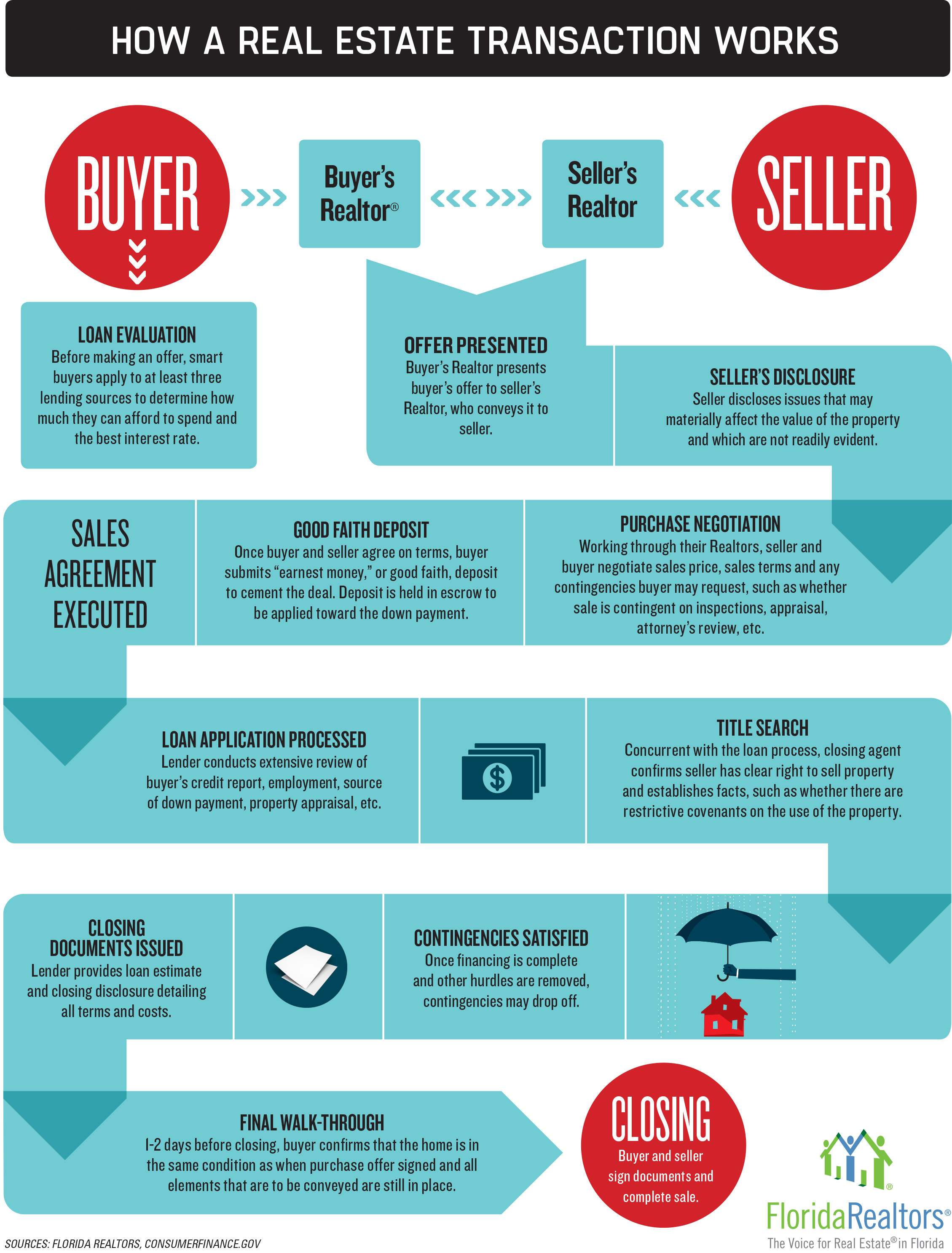
I didn’t want to pay a realtor. So I researched how to buy a house without one and immediately learned why realtors exist. There are so many laws around buying and selling houses it’s impossible to do it without having an associate’s degree worth of knowledge. After a few days of mind-numbing reading, I laid my head on my keyboard and muttered, “Why does this have to be harder than buying a car?”
The next day my wife and I met a realtor who came highly recommended from a distant relative. Our agent looked like a model and talked like an auctioneer. She picked us up in a brand new BMW equipped with space-age technology. After our first conversation, I felt like I was hiring a scout to take me on a treasure hunting expedition.
Over the next week, she showed us two trashy properties below our price range, two giant, expensive houses, and one solid option just above what we wanted to spend. So we picked that one, which in retrospect, I don’t think was an accident.
The only type of houses we looked at were duplexes, because we thought the tenant’s rent would cover our payments, and it would have if the cost of a mortgage equaled the listing price of the property, but after taxes, interest, and fees, the final price of a 30 year mortgage is double whatever the property is worth. So, after we picked the house, we learned we’d need to take out a $500k loan for a $250k property. Plus, most of the first fifteen years of payments would go to whittling down the interest, not buying equity in the house. Why do lenders have to structure loans that way? Because fuck you. That’s why.
Normally, home buyers have to put down a 20% down payment to qualify for a loan, and we didn’t have $50k. However, the Department of Veteran Affairs offers a special service to veterans. In exchange for $5k, it will vouch to pay the 20% down payment if the vet fails to pay their mortgage and the house gets foreclosed on. At that point, the VA will give the lender the 20% down payment, which in my case was $50k. So if my house got foreclosed on, I’d have to pay the VA, $50k.
This is a great deal, in the sense that it removes one of the glass ceilings stopping renters from becoming homeowners, but it’s a scammy solution to a problem created by the government. Think of it this way. The government enforces laws which make buying a home impossible to do without hiring legal representation to walk you through all the laws that inflate the cost of a property so high you can’t afford it. The government’s solution to the problem it created, is for homeowners to buy the lender an insurance policy to cover their losses if/when the veteran can’t afford to pay twice the advertised listing price of a property plus another $5k.
My real estate agent and the lender she referred us to explained all this to me and acted like it was completely normal… because it is. So I signed the paperwork and went on with my life, which consisted mostly of spending 10+ hours per week sitting in Austin’s notorious traffic and working 40+ hours per week at a computer helpdesk job getting yelled at for problems other people created.
I told myself it would all be worth it when I finally beat the game and could live life on my own terms. Seven years later my wife and I divorced and sold the house. Luckily, the divorce was “no contest.” So we didn’t have to spend $5k each for lawyers. Since we filed the paperwork ourselves, it only cost a few hundred dollars in government fees and having to stand in front of a judge who didn’t know us to beg him to let us get on with our lives.
We had already moved away from Austin halfway through our marriage and rented out both duplex units through a property manager who sent us “repair” bills for $300-$1000 almost monthly. We finally terminated our contract after he charged us $90 to replace a smoke detector battery and another $90 to look in the chimney and tell us there weren’t any birds in it. Wanting to avoid confrontation, my wife told them we were moving to Samoa and had to sell the house.
The next property management company we hired never sent us any absurd charges in the two years we used them. Since they rarely did anything to the house, effectively, we paid them $240 per month to deposit our rent checks.
Our contract also stipulated that if we sold the house, they would act as our real estate agent and take a higher-than-normal percentage of the sale. I didn’t care at the time because I wasn’t planning on getting divorced and selling the house.
When we decided to sell in 2013, Austin was experiencing a housing bubble, which means houses are overpriced. So sellers make can make a lot of money, but buyers get screwed paying inflated prices that could drop by the time they get divorced and have to sell their house.
There was so much demand for duplexes, our property manager/realtor was able to sell the house in two days for $60k more than the original listing price, which sounds great, except we’d spent at least that much on the mortgage, upgrades, fraudulent repairs and property management dues.
In the end, my wife and I received $15k each, and my realtor took $30k for doing less than ten hours of work. Just to be clear, I didn’t make $15k profit. I got a $15k return on a $60k investment. In the grand scheme of things, I lost $45k.
After signing all the paperwork, the realtor handed me my check and said, “See? It wasn’t that painful, was it?”
I wanted to tell him, “The only painful part was when you pocketed $30k I spent seven years working my ass off for in exchange for ten hours of your labor. But that’s okay because it’s normal, right? Enjoy your normal life, sending your kids to college and buying them sports cars. I’ll enjoy my normal routine of not having a retirement.”
Pictured above: My real estate agent and me at the closing table
At least I had $15k to start my new life with when I moved to Houston, TX to live with my identical twin brother. I didn’t make it out of my marriage with a vehicle but was able to pay cash for a used truck, which I bought from a small car dealership, owned and operated by a sweet, old Southern country farmer type who prided himself in his old-fashioned honesty. He won my trust and sold me a 1997 truck with 50k miles on it for $7k. It had been owned by an old lady who only drove it to church on Sundays. So even though the truck was almost twenty years old, it was practically new.
Now that I had a vehicle to drive to work, I turned my attention to job hunting. Most of my adult life, I’d worked in IT, but halfway through my marriage, after my wife and I left Austin, I couldn’t find work in the IT sector. So I worked a series of odd jobs until my IT experience became obsolete and unusable. I’ve never complained about or regretted letting that door close because I absolutely hated IT work. What good is making money if you spend your entire life doing things that make you miserable to earn it? That’s wasting the present, not investing in the future.
Theoretically, that’s true, but in America’s economy, chasing your dream is shooting yourself in the foot. Without a college degree, training certificate or relevant experience, my job options were staggeringly limited. I didn’t sit around crying about this. I drove straight to a staffing agency I knew could hook me up with “an exciting job opportunity.”
For the next few summer months, I spent 9 hours per day in a warehouse digging through vats of marble-sized ceramic balls, picking out any that were tarnished, broken or disfigured. The only break I got was an hour for lunch, and my bosses monitored me closely via the security cameras. At first, I was happy because I felt lucky to be getting paid slightly higher than minimum wage, but it didn’t take long to realize my assessment of life was wrong. In reality, my life was actually quite shit.
I had 9 hours per day to think. So I used the opportunity to weigh my options and decide how to save my life. About the time I got laid off, I convinced my twin to move to Colorado with me, where he could work, and I could attend a year-long trade school for free using the M.G.I.Bill, which would also pay me a $1,200 per month living stipend.
He agreed immediately because Houston sucks. So we settled our affairs in the local area, loaded everything we owned into our two trucks and drove to the cheapest hotel in Denver. The first night we celebrated our new beginning with overpriced legal weed and a box of Franzia. It seemed appropriate since the hotel was so low class, the Denver Police Department had a permanently reserved parking spot directly in front of the lobby.
Before leaving Texas we’d searched for apartments in Denver and made a list of places that have vacancies within our price range. There were enough options that I wasn’t worried about finding a place. My only fear was settling on the second or third best option because it’s closer to my school. After spending thousands of hours in Austin traffic, not commuting had become a priority of mine.
My brother and I spent the next week touring Denver’s ghetto-est apartments and getting turned away by every slum lord. Come to find out, Denver has a local law, which says in order to qualify to rent a property, you must either have three months of paychecks from a local business or a co-signer who makes three times the amount of rent, neither of which we had.
The apartment managers were unswayable. No matter how much we begged, nobody would bend the rules for us. At our last apartment viewing, I put $7k cash on the table and offered to pay an entire six-month lease up front. The apartment manager scowled at me like I was a hillbilly offering to pay with a bag of dead possums. He looked me in straight in the eye and said with dead seriousness, “That’s not good enough.”
Since when is having enough money to buy something, not good enough to buy it? When did the American Dream turn into The Twilight Zone? My money was good. The problem is Colorado lawmakers want to prevent poor people from immigrating to their state. So they invented a disingenuous rule that all the local apartment owners agreed to go along with. I wouldn’t be surprised to learn it was written by wealthy apartment moguls who made campaign contributions to the politicians, who signed it into law.
Unable to legally rent an apartment, we looked on Craigslist for people offering to rent out spare rooms in their private homes, which is actually illegal under Colorado’s anti-boardinghouse laws. Luckily, this rule isn’t enforced, because Denver police have better things to do thank kick poor people out of their houses. And by “better things,” I mean, “legally robbing motorists to meet their ticket quotas.”
My brother and I spent the next two weeks viewing rooms and begging people to let us pay $900 per month to live in the cupboard under their stairs. It wouldn’t have taken so long, but most landlords required a $50 non-refundable, non-binding fee just to fill out an application, in addition to paying another $30-$50 to run a criminal background and credit history check on you, which requires you to give out your social security number, date of birth and bank account number.
We refused to apply for any of those rooms, which drastically limited our choices, but it was worth not risking paying $50 to have our identities stolen. After a long, discouraging search, we finally moved into a large, trashy two-story house containing five other tenants.
Our landlady was a semi-obese, bedridden hoarder whose husband had recently died of cirrhosis of the liver, and she was dying of cancer. Since she couldn’t work, the only way she could afford rent and groceries by sub-leasing her extra rooms. Her situation wouldn’t have been so dire, except she lived with two of her children, who were both in their early twenties, didn’t pay any bills and refused to get jobs.
All three were drug addicts who took whatever narcotics they could get their hands on. The son would steal his mother’s morphine, forcing her to send the daughter to buy more off the black market when the pain of dying became unbearable. When the mother confronted him about it, he bitched her out in front of the whole house for playing the cancer card too much. She died four months after we moved out.
One of her tenants was a 20-something-year-old black, gentle giant who moved to Denver to escape the apocalyptic ghetto in Chicago where he grew up. The other housemate was a white 20-something-year-old Texan who moved to Colorado for the weed. He’d been in Denver for several years and had moved into our “boarding house” after getting kicked out of his last apartment for overdosing on a psychedelic designer drug and diving out the second-story window naked and then fighting three police officers in the parking lot until they tazed him unconscious.
My brother and I shared a room and a bed for three months until we talked our landlady into letting us convert the basement into bedrooms. She only charged us $800 per month for two rooms, which is made it the cheapest price we’d ever find Denver.
We had some good times in that house, but most of them were bad. We moved out the day the landlord’s son blasted his stereo at 7am for the hundredth time and then threatened to “fuck me up” with a golf club if I tried to turn his music down. At that point, my brother returned to Texas, and I rented a camping spot outside of town and lived there until I found another room on Craigslist.
I finished out the school year living in an elderly couple’s house, paying $700 per month. At first, I lived in a tiny room on the ground floor but was able to move downstairs into the much larger basement after the landlady found her other tenant’s crack pipe in the drier. They’d already been planning on asking him to leave anyway because he was literally insane and thought government agents were following him at all times. Other than being a moocher, he never bothered me, but I was glad to see him go because after he learned I’d worked for the NSA during my military service, he assumed I was a government agent sent to spy on him.
After graduating from school, I decided to move back to Houston as well to be with a girl I’d met after my divorce and stayed in touch with. I moved in with her at the beginning of 2016, flat broke again.
The whole trip had been an asteroid shower of unexpected expenses. I expected Colorado to be Candy Land, but it turned out to be more like Chutes and Ladders. Every time you think you’re getting somewhere, you slide back down to where you started.
The problem isn’t that Colorado is worse than the rest of America, it’s a metaphor for the rest of the country. One of my friends from the military recently moved to San Antonio and was unable to rent an apartment for the same reasons I couldn’t. In the end, he bought a house using the same VA home loan program I did, because it was easier for him to qualify to buy a house than to rent one. My friend and I didn’t do anything wrong to deserve the moving nightmare we experienced. This is just how everyone lives now.






 The Wise Sloth
